Systems, applications & exposure
Identify business-critical assets, system owners, externally reachable services and gaps in asset records. Understand which applications, environments and dependencies require closer attention.
Understand your organisation's cybersecurity strengths, risks and areas for improvement. XIDEA provides security posture assessment services in Malaysia that review access management, networks, cloud environments, system configurations and operational security controls. We translate observed gaps into practical remediation priorities based on business risk.
Request a posture assessmentA security posture assessment is a structured review of an organisation's current security controls and exposure. These security posture assessment services help decision-makers establish a practical security baseline. Rather than considering one application or a single vulnerability in isolation, it looks at how people, technology and procedures work together to protect important systems and information.
For Malaysian organisations, this can bring together observations about access permissions, system configuration, patch management, network boundaries, cloud services, backups, monitoring and incident preparedness. The assessment is tailored to the assets, ownership and business risks identified during scoping.
The aim is not to label an organisation simply “secure” or “insecure.” It is to establish an evidence-based view of what is working, where gaps remain and what deserves attention first.
A posture assessment gives a broad view of selected safeguards and gaps. A cybersecurity audit may assess specified requirements in greater detail, while penetration testing validates exploitable weaknesses through authorised testing. The right service depends on your objectives and agreed scope.
Coverage is selected to suit your environment. These are common areas we may review, not an assumption that every system or test is included in every engagement.
Identify business-critical assets, system owners, externally reachable services and gaps in asset records. Understand which applications, environments and dependencies require closer attention.
Review selected account provisioning practices, privileged access, authentication controls, service accounts and user access reviews. Consider whether permissions reflect real operational responsibilities.
Examine agreed security settings, administrative access, update practices and protective controls on workstations, servers and supporting platforms. Record exceptions and ownership boundaries.
Consider firewall rules, segmentation, remote access and relevant cloud configuration. Review how environments connect and where unnecessary access or weak boundaries could increase exposure.
Review how vulnerabilities are identified, triaged, assigned and addressed. Discuss patching exceptions and whether remediation timelines reflect technical exposure and business impact.
Examine selected approaches to sensitive information, retention, encryption, backups and recovery testing. Identify control gaps that may affect availability, confidentiality or restoration capability.
Review logging coverage, alert handling, escalation contacts, incident procedures and available evidence of exercises or previous lessons learned. Identify areas where visibility or response may be limited.
Consider the people and processes behind controls: documented responsibilities, security exceptions, supplier dependencies and review cycles. Highlight unclear ownership that could delay improvements.
An effective assessment respects operational limits, records the basis of each finding and gives your team a usable next step.
Agree the business services, assets, control areas, evidence sources, responsible contacts and exclusions. Identify whether any authorised technical testing or framework mapping is required.
Examine supplied documents, settings and operational practices through agreed interviews, walkthroughs and technical checks. Note where evidence is incomplete or not available.
Assess observed weaknesses in the context of asset importance, exposure and existing safeguards. Distinguish verified observations from items needing further validation.
Explain findings to management and technical owners, agree practical priorities, and clarify remediation dependencies. Optional follow-up verification can be scoped separately.
We organise observations around their evidence, potential impact and recommended action. Prioritisation is discussed with your team rather than presented as a universal score for every environment.
The affected asset or process, supporting evidence, existing controls and any testing limitations or assumptions.
The realistic security consequence, affected business service and factors influencing the urgency of remediation.
Practical mitigation options, suggested action order, dependencies, potential owner and whether follow-up checks are appropriate.
Your assessment deliverables are confirmed in the proposal so management and technical stakeholders know what to expect.
It gives you a view of the controls and information included in the agreed scope at the time of review. It does not guarantee that systems are free of vulnerabilities or that future incidents cannot occur.
Penetration testing, a formal regulatory audit, certification or a legal compliance opinion are distinct activities. Any of these should be separately scoped when required.
Explore our Cybersecurity Audit ServicesSecurity posture assessment can support SMEs, software providers, government contractors, organisations with sensitive business records and teams managing complex on-premises or cloud environments.
XIDEA SOFT SOLUTION brings more than 15 years of experience in software and IT projects serving Malaysian government agencies, GLCs and corporate organisations. That software delivery and integration background helps us discuss security controls in the context of application dependencies, user roles and operational processes.
Based in Bandar Puncak Alam, Selangor, XIDEA is a Malaysian Bumiputera company and MOF-registered contractor. Before an engagement begins, we discuss the proposed scope, assessment personnel, access requirements, reporting format and operational constraints with your team.
We aim to explain observations in language that both management and technical owners can use, including the affected systems, supporting evidence, suggested priority and likely next steps.
We can discuss relevant reference frameworks and control categories where your organisation has specific governance or procurement requirements; formal compliance assessment must be defined separately.
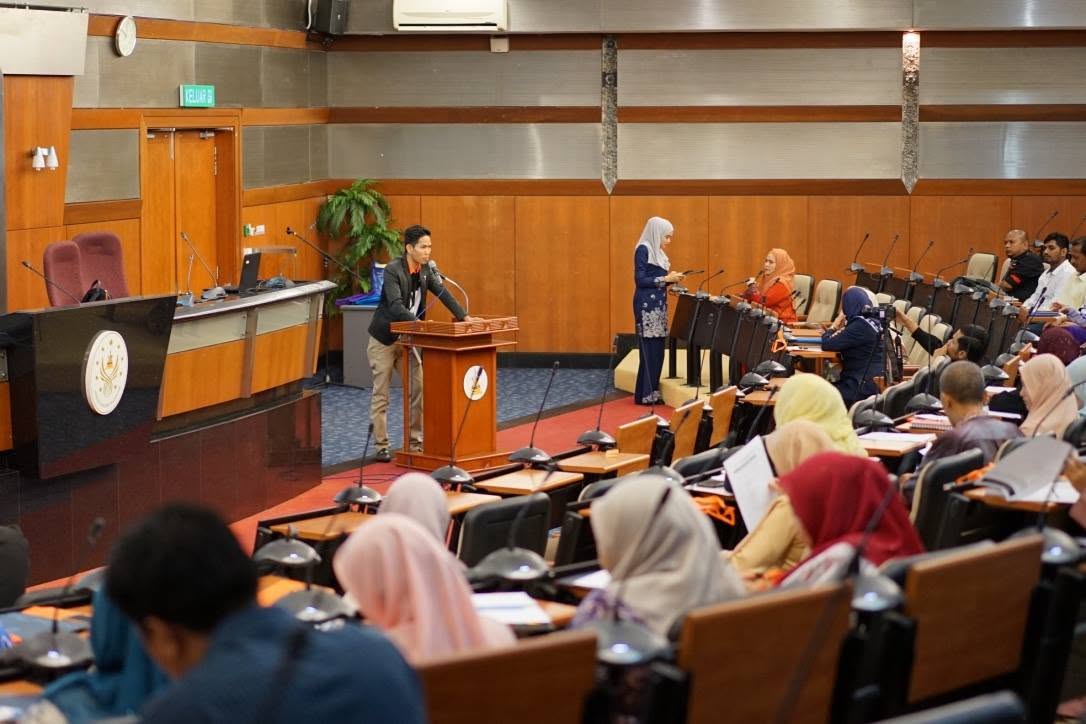
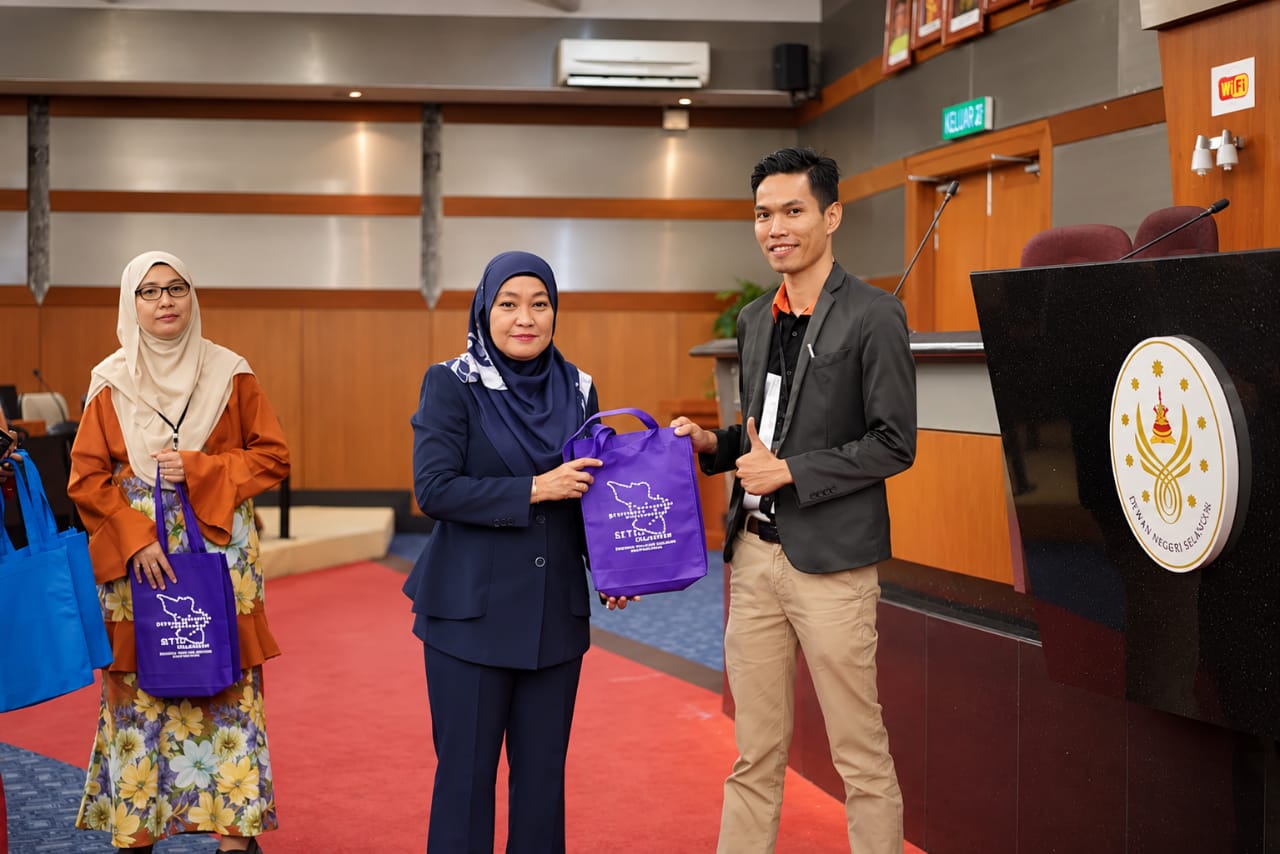
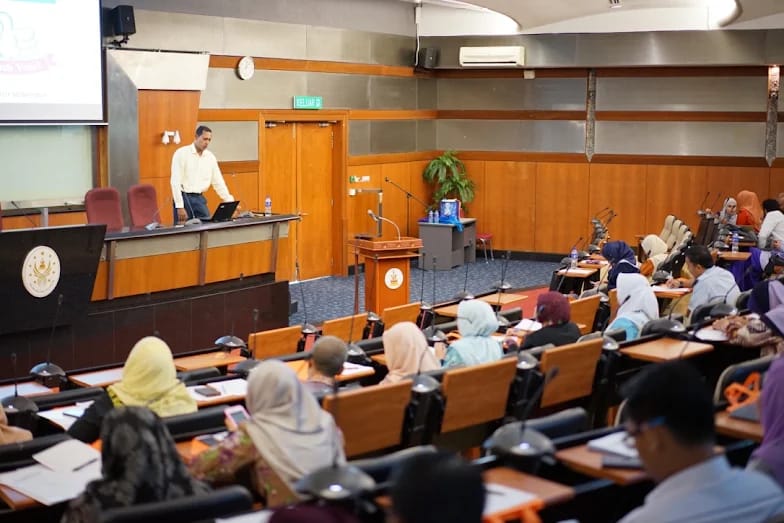
A look at our security posture assessment sessions with teams and stakeholders.


Bitdefender

Acunetix

CyberSecurity Malaysia
Security posture assessment services are most useful when findings connect to clear control objectives. Where relevant to your organisation, recognised references may help organise discussions and improvement priorities.
The six functions — Govern, Identify, Protect, Detect, Respond and Recover — provide a useful way to organise cybersecurity risk discussions and assess where controls need attention.
Information security management topics, such as responsibilities, risk treatment and control governance, may guide evidence requests when they are relevant to your objectives.
Selected configuration standards, cloud-provider guidance and internal policies may be considered where they match the assets and services included in the agreed assessment.
Mentioning a framework does not mean that XIDEA is accredited or certified by its publisher, that every assessment includes a formal controls mapping, or that an assessment confers compliance certification. Specific mapping or independent certification requirements must be scoped separately.
| Service | Main purpose | Typical outcome |
|---|---|---|
| Security posture assessment | Understand current security safeguards and control gaps across an agreed environment. | Prioritised improvement plan and findings register. |
| Cybersecurity audit | Assess a defined scope against specified criteria, with technical review where agreed. | Audit observations and recommendations against the agreed criteria. |
| Penetration testing | Use authorised testing to validate exploitable weaknesses on selected systems. | Technical vulnerability findings and remediation advice. |
A security posture assessment is a structured review of the current safeguards, operational practices and exposures across an agreed environment. It identifies observed control gaps and provides risk-informed priorities for improvement.
A posture assessment considers a wider set of controls, such as access management, patching, backups, configuration, monitoring and governance. Penetration testing uses authorised attack simulation to validate selected weaknesses. Testing may be added where it supports the agreed scope.
The assessment may cover asset visibility, identities and access, endpoint and server configuration, networks, cloud services, vulnerabilities, data protection, logging, incident readiness and security governance. The final scope depends on the systems and evidence available.
No. A security posture assessment identifies and prioritises security control gaps. It does not automatically provide ISO certification, regulatory approval or a formal legal compliance opinion. Any controls mapping or independent audit requirement must be agreed separately.
We normally begin with system owners, a high-level asset list, network or cloud information, relevant policies, previous findings and named technical contacts. Required access and any restricted information are agreed before evidence collection.
The timing should reflect the pace of technology change, business criticality, previous findings and any customer or regulatory obligations. Many teams review after major changes or incidents and establish a periodic review cycle appropriate to their risk profile.
The duration depends on the number of systems, business locations, stakeholders, evidence available and depth of review. XIDEA confirms the proposed schedule and milestones after agreeing the assessment scope.
Pricing is determined by the agreed scope, environment complexity, evidence collection requirements and reporting expectations. Contact XIDEA with an overview of your systems for a scoped quotation.
